
Protecting a residence, office, or commercial establishment begins with selecting dependable Door Locks that suit the property's unique security requirements. While many individuals focus on alarms and Security Cameras, the locking mechanism remains the first physical safeguard against unauthorized access. Modern locking technology has advanced significantly, offering innovative features, superior durability, and enhanced convenience. Understanding how different lock types function, their strengths, and their maintenance requirements enables property owners to make informed decisions. Whether upgrading an older entry system or choosing hardware for new construction, investing in quality Door Locks contributes substantially to long-term safety, convenience, and peace of mind.
Understanding the Purpose of Modern Door Locks
Door Locks have evolved far beyond traditional key-operated mechanisms. Contemporary designs combine mechanical engineering with digital innovation to create advanced access control solutions suitable for residential, commercial, and industrial environments.
Today's locking systems provide benefits that include:
- Controlled property access
- Protection against forced entry
- Privacy enhancement
- Asset preservation
- Insurance compliance
- User-friendly operation
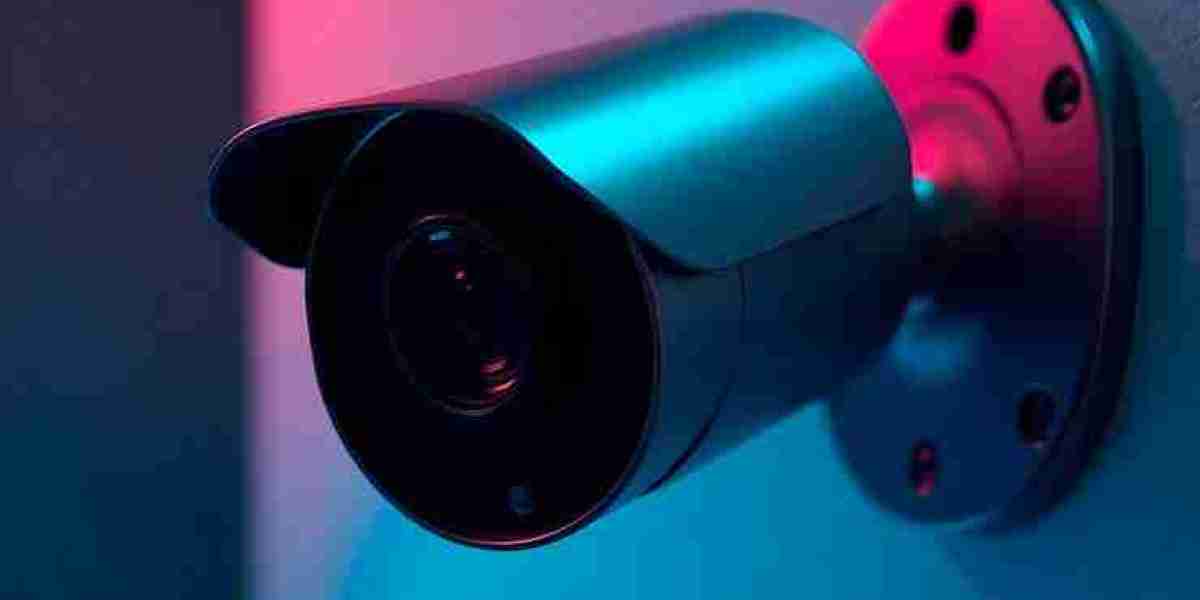
When combined with Security Cameras, these systems establish multiple protective layers that discourage unauthorized activity while documenting important events around the property.
Different Types of Door Locks
Every property has unique security demands, making it important to understand the available lock varieties before making a purchase.
Deadbolt Locks
Deadbolts remain one of the most trusted residential security solutions. Unlike spring latch mechanisms, deadbolts require deliberate operation and provide increased resistance against tampering and forced entry.
Common options include:
- Single-cylinder deadbolts
- Double-cylinder deadbolts
- Vertical deadbolts
- Rim deadbolts
Many homeowners install deadbolts alongside Security Cameras to strengthen perimeter protection.
Knob Locks
Knob locks are commonly found on interior doors and secondary entrances. Although practical, they should not serve as the primary security measure for exterior access points because their mechanisms can be compromised more easily.
Lever Handle Locks
Frequently installed in offices, educational facilities, and healthcare environments, lever handle locks offer convenient accessibility while maintaining dependable security standards.
Smart Locks
Smart locking technology has transformed property management by allowing remote access through smartphones, passcodes, fingerprint recognition, or voice assistants.
Popular smart lock features include:
- Mobile application control
- Temporary visitor access
- Activity monitoring
- Automatic locking
- Remote unlocking
- Wireless connectivity
Many smart systems integrate seamlessly with Security Cameras for comprehensive monitoring.
Materials Used in High-Quality Door Locks
Durability depends heavily upon manufacturing materials. Premium lock manufacturers typically utilize:
Stainless Steel
Known for corrosion resistance and structural strength, stainless steel performs exceptionally well in varying weather conditions.
Solid Brass
Brass provides excellent longevity while maintaining an attractive appearance, making it suitable for decorative and functional applications.
Hardened Steel
Designed to resist drilling, cutting, and impact, hardened steel significantly improves overall lock security.
Zinc Alloy
Zinc alloy offers affordability while maintaining respectable durability for moderate-security environments.
Selecting premium materials increases the service life of Door Locks while reducing maintenance expenses.
Choosing the Right Door Locks for Your Property
Several considerations influence the selection process.
Property Type
Residential, commercial, and industrial facilities require different locking solutions based on occupancy levels and daily traffic.
Security Requirements
Evaluate potential vulnerabilities before purchasing new hardware. Ground-floor entrances, garage access points, and isolated doors often require enhanced protection.
Ease of Operation
Accessibility remains important for children, elderly individuals, and persons with mobility limitations.
Budget
While premium products require greater initial investment, they frequently deliver better long-term value through durability and improved protection.
Combining dependable Door Locks with professionally positioned Security Cameras creates a balanced security strategy.
Smart Door Locks and Modern Technology
Digital innovation continues reshaping residential and commercial security.
Today's smart locks commonly include:
- Biometric authentication
- Bluetooth connectivity
- Wi-Fi integration
- PIN authentication
- Facial recognition compatibility
- Cloud-based management
Many homeowners appreciate receiving instant notifications whenever someone unlocks the entrance.
Integration with home automation platforms further improves convenience by coordinating lighting, alarms, and Security Cameras within one unified ecosystem.
Common Features Found in Premium Door Locks
Modern security hardware incorporates numerous advanced capabilities.
Important features include:
- Anti-pick cylinders
- Drill-resistant plates
- Reinforced strike plates
- Auto-lock scheduling
- Tamper alerts
- Weather-resistant construction
- Key duplication protection
- Emergency override options
These characteristics significantly improve both security performance and operational reliability.
Installation Best Practices
Even premium locking hardware performs poorly if installation quality is inadequate.
Professional installation offers advantages such as:
Proper Door Alignment
Misalignment places unnecessary strain on locking components and shortens operational lifespan.
Reinforced Strike Plates
Longer mounting screws anchored into structural framing substantially improve resistance against forced entry.
Accurate Hardware Positioning
Correct spacing ensures smooth operation while minimizing mechanical wear.
Experienced installers verify that every component operates precisely before completing the installation.
Maintaining Door Locks for Long-Term Performance
Routine maintenance preserves functionality while reducing repair costs.
Recommended practices include:
- Lubricating internal mechanisms annually
- Tightening loose hardware
- Cleaning accumulated debris
- Inspecting weather exposure
- Testing locking operation regularly
- Replacing damaged keys immediately
Preventive maintenance extends product lifespan and preserves optimal security performance.
Common Problems and Their Solutions
Like all mechanical systems, locking hardware occasionally develops operational issues.
Sticky Lock
Dust accumulation or insufficient lubrication often causes stiffness.
Broken Key
A damaged key should never be forced. Specialized extraction tools minimize internal damage.
Misaligned Bolt
Seasonal expansion and structural settling may require strike plate adjustment.
Worn Components
Replacing aging cylinders restores dependable operation before complete failure occurs.
Addressing minor concerns promptly prevents expensive repairs later.
Why Certification Matters
Reputable manufacturers frequently submit products for independent testing.
Certification standards evaluate:
- Impact resistance
- Picking resistance
- Drilling resistance
- Corrosion protection
- Durability
- Mechanical endurance
Certified Door Locks generally deliver greater confidence regarding long-term performance.
The Role of Door Locks in Commercial Security
Commercial facilities experience constant visitor activity, making access management particularly important.
Businesses often utilize:
Master Key Systems
Authorized personnel receive access according to operational responsibilities.
Electronic Access Control
Digital credentials simplify employee management while maintaining detailed entry records.
Audit Trails
Entry logs support investigations and operational oversight.
Combining electronic Door Locks with Security Cameras creates comprehensive protection for employees, inventory, and confidential information.
Future Innovations in Door Lock Technology
The security industry continues introducing sophisticated advancements.
Emerging developments include:
- Artificial intelligence authentication
- Behavioral recognition
- Mobile credential encryption
- Cloud-based security management
- Voice authentication
- Predictive intrusion detection
These technologies improve convenience without compromising protection.
Final Thoughts
Selecting dependable Door Locks requires careful evaluation of security needs, construction quality, durability, installation methods, and future maintenance. Whether protecting a family residence or managing a commercial facility, investing in high-quality locking systems delivers lasting value and dependable protection. Pairing modern Door Locks with professionally installed Security Cameras creates a comprehensive security approach that strengthens access control, deters criminal activity, supports incident investigation, and provides greater confidence that your property remains protected today and well into the future.