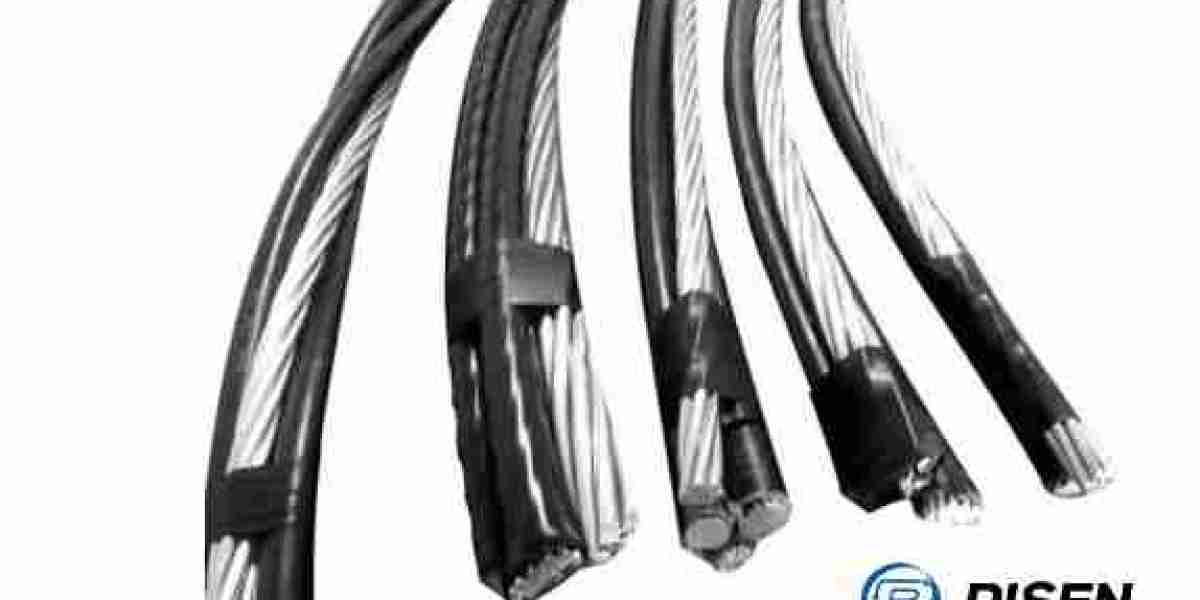

ABC cable has become a critical solution in modern overhead power distribution systems as utilities worldwide face increasing demands for safety, efficiency, and reliability. Unlike traditional bare conductors, this insulated bundled system reduces fault risks and improves installation flexibility in urban and rural networks. The global shift toward compact, safer, and more resilient infrastructure is accelerating adoption across utilities, particularly in densely populated regions where safety and space constraints are major concerns. As energy consumption grows and grid modernization continues, ABC cable is playing a central role in transforming distribution networks.
Advantages of ABC Cable
ABC cable offers significant operational and safety advantages that are driving its global adoption among power utilities. One of the primary benefits is its insulated design, which greatly reduces the risk of short circuits caused by tree contact, wildlife interference, or accidental human contact. This makes it particularly suitable for urban environments and forested areas.
Key advantages include:
- Enhanced safety due to fully insulated conductors
- Reduced line losses and improved system reliability
- Lower maintenance frequency compared to bare conductor systems
- Easier installation in congested or difficult terrains
- Reduced risk of power outages caused by external interference
From a utility procurement perspective, these benefits translate into lower lifecycle costs and improved service continuity, which is essential for modern grid expectations.
Technical Specifications
ABC cable is engineered with specific technical parameters to ensure performance under various voltage and environmental conditions. Typically used in low to medium voltage distribution networks, it is designed according to international standards such as IEC 60502 and relevant national grid codes.
Common technical features include:
| Parameter | Typical Range / Specification |
|---|---|
| Rated Voltage | 0.6/1 kV up to 11 kV systems |
| Conductor Material | Aluminum or Aluminum Alloy |
| Insulation | XLPE or HDPE weather-resistant insulation |
| Configuration | 2-core, 3-core, 4-core, or bundled phases |
| Operating Temperature | Up to 90°C continuous |
| Mechanical Strength | Reinforced messenger or self-supporting design |
These specifications allow utilities to deploy ABC cable in diverse environments, from residential distribution to industrial feeder lines, ensuring both electrical performance and mechanical stability.
Durability and Maintenance
ABC cable is widely recognized for its durability in harsh environmental conditions, making it a preferred choice for utilities operating in challenging climates. The insulation layer protects against UV radiation, moisture, chemical exposure, and mechanical abrasion, significantly extending service life.
In real-world applications, utilities report reduced outage rates due to environmental factors compared to traditional bare conductor systems. Maintenance requirements are also minimized, as the insulated design reduces the need for frequent line clearance trimming and fault inspections.
Recommended maintenance practices include:
- Periodic visual inspection of insulation integrity
- Checking suspension hardware and connectors
- Monitoring load conditions to prevent thermal stress
- Ensuring proper tension in messenger-supported systems
With proper installation and minimal maintenance, ABC cable systems can achieve long operational lifespans, making them cost-effective for long-term infrastructure investment.
Applications in Power Distribution
ABC cable is widely deployed across multiple sectors of electrical power distribution due to its versatility and safety profile. It is especially favored in environments where traditional overhead lines pose risks or operational challenges.
Typical applications include:
- Urban residential distribution networks
- Rural electrification projects
- Forested and mountainous regions
- Coastal and high-humidity environments
- Industrial and commercial power supply systems
For example, many utilities replacing aging bare conductor lines in urban centers choose ABC cable to reduce outage frequency and improve public safety. In rural electrification projects, its ease of installation over long distances with minimal infrastructure makes it highly efficient and cost-effective.
Frequently Asked Questions (FAQs)
1. What is ABC cable used for?
It is primarily used in overhead low-voltage and medium-voltage power distribution systems to improve safety and reliability.
2. Is ABC cable better than bare conductor systems?
Yes, it offers better safety, reduced outages, and lower maintenance requirements due to its insulated design.
3. What materials are used in ABC cable?
Most ABC cables use aluminum or aluminum alloy conductors with XLPE or HDPE insulation.
4. Can ABC cable be used in harsh environments?
Yes, it is designed to withstand UV exposure, moisture, and mechanical stress in various climates.
5. What voltage levels does ABC cable support?
It typically supports 0.6/1 kV systems and can be designed for up to 11 kV applications depending on utility requirements.
6. How long does ABC cable last?
With proper installation and maintenance, it can operate reliably for decades under normal conditions.
7. Is ABC cable suitable for urban grids?
Yes, it is widely used in urban areas due to its safety and reduced risk of accidental contact.
ABC cable is becoming a global standard in modern power distribution as utilities prioritize safety, efficiency, and long-term cost reduction. Its insulated design, strong mechanical structure, and adaptability to different environments make it a reliable solution for both urban and rural electrification projects. As grid infrastructure continues to evolve, utilities investing in ABC cable systems are better positioned to achieve stable, low-maintenance, and future-ready power networks.